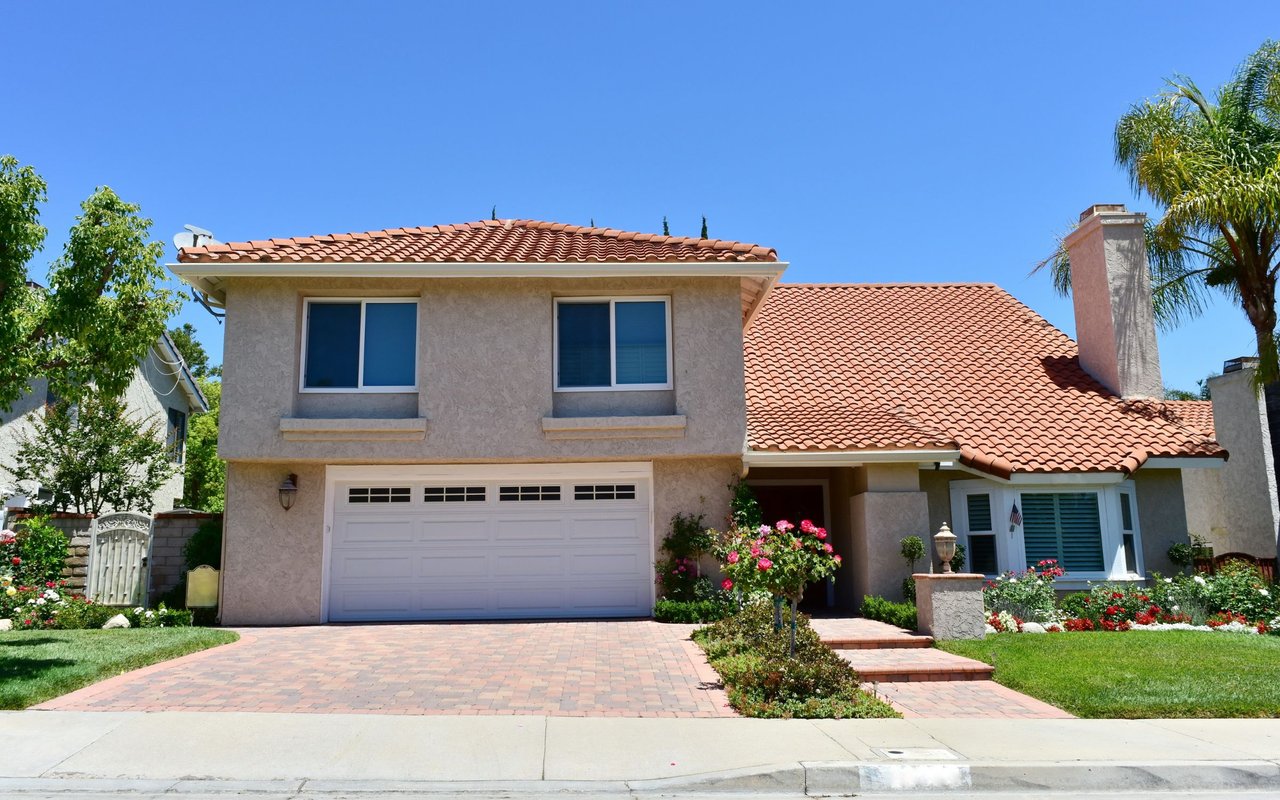
Thinking about selling your Berkeley home but unsure where to start or how to price it? You’re not alone. Even in a strong East Bay market, the right prep and a clear pricing plan can mean the difference between a smooth sale and weeks of stress. In this guide, you’ll learn exactly what to fix, how to stage, which disclosures and local rules to expect, how transfer taxes affect your bottom line, and how to choose a pricing strategy that fits Berkeley’s buyer behavior. Let’s dive in.
Know Berkeley’s market pace
Berkeley remains a high-priced, relatively fast-moving market. Recent market trackers show a median sale price around $1.35M with homes often going under contract in about 20 days. Multiple offers are common in the most competitive segments. Nearby cities like Alameda can follow different patterns and price points, so you want hyperlocal comps, not broad East Bay averages.
This local context matters for timing and pricing. If you list at the right number with strong presentation, you can catch the first two weeks of attention when serious buyers are most active. If you overshoot or skip prep, you may sit on market and invite later price cuts.
Prep that moves the needle
Safety compliance first
Before photos or showings, confirm basic safety compliance. California transactions typically call out three items early:
- Smoke alarms and carbon monoxide detectors in required locations.
- Proper water heater bracing.
- Lead-based paint disclosures for homes built before 1978.
These items show up in standard disclosures and can be verified during escrow. Review a plain-language overview of disclosure obligations, including safety items, in this summary of California practice. You can also find lead-based paint guidance through the California Department of Public Health, which explains the federal rules and the seller’s duty to disclose known information and provide the EPA/HUD pamphlet.
- Read more: Real estate disclosure obligations overview (California practice) and Lead-based paint disclosure guidance (CDPH).
Smart repairs and costs
Aim for targeted fixes that remove objections. Focus on visible items and safety concerns first. Common high-ROI tasks include:
- Repairing minor leaks and obvious roof or siding issues.
- Patching and painting scuffed walls and trim.
- Fixing broken windows, sticky doors, and cracked outlets or switch plates.
- Freshening landscaping for simple curb appeal.
In Berkeley, interior painting for a typical home often lands around the low thousands. It is common to see interior paint jobs roughly in the $2,000 to $5,000 range, depending on size and scope. For planning, check local contractor estimates. For bigger updates, review Cost vs. Value data before you commit. Minor kitchen or bath refreshes often recoup a higher percentage than full gut remodels when you plan to sell soon.
- Read more: Local painting cost guidance (Angi) and Remodeling’s 2025 Cost vs. Value report.
Staging and media
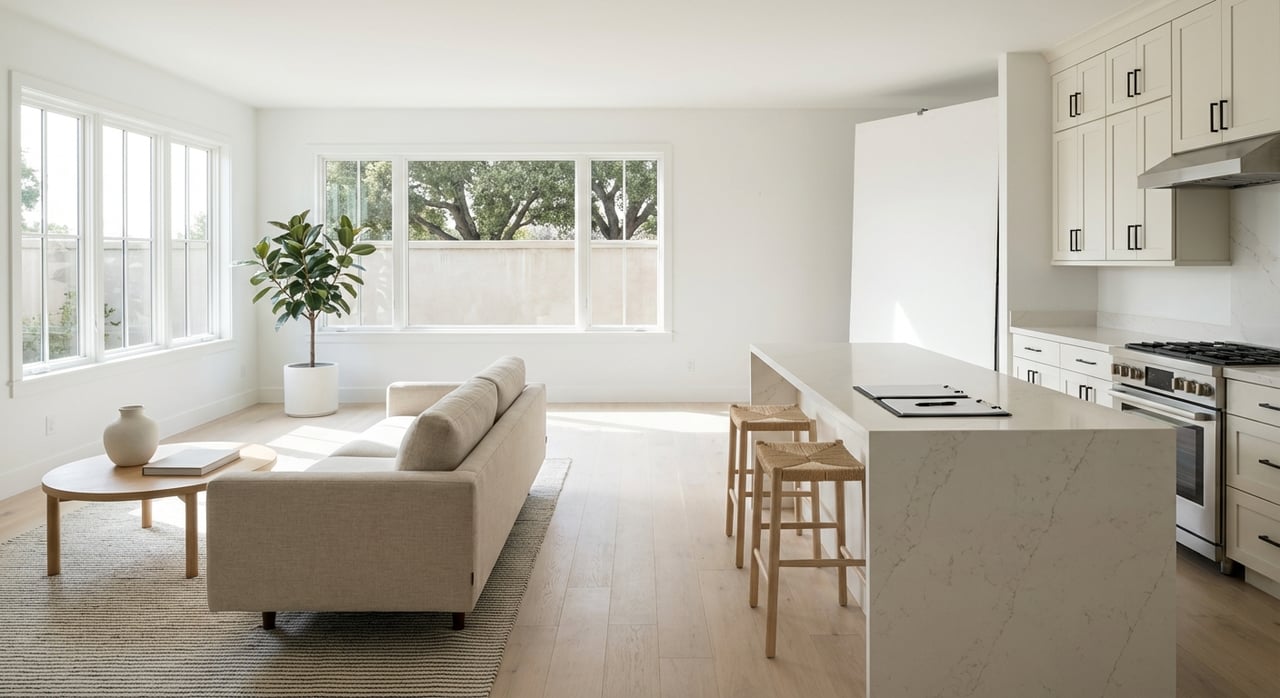
Strong visuals sell. Staging helps buyers imagine how they’ll live in the space, and buyer agents widely report that it can shorten time on market. You do not need to stage every room. Often, the living area, kitchen, and the main bedroom carry most of the impact. Combine staging with professional photos, a floor plan, and a 3D tour when possible.
Budget examples for planning:
Professional photos and basic media: about $300 to $800.
Partial or virtual staging: a few hundred dollars to $2,000+.
Full staging for a vacant, higher-end home: often $1,500 to $6,000+ per month depending on scope and timeline.
Read more: NAR’s research on staging and Better Homes & Gardens’ staging cost overview.
Disclosures you must deliver
California requires sellers of 1 to 4 unit residential property to complete a Transfer Disclosure Statement (TDS) that covers known material facts. You cannot waive this obligation by selling “as is.” Your agent also has an independent duty to visually inspect and disclose what they should have observed. A Natural Hazard Disclosure (NHD) is also required to confirm whether the property lies in zones like flood, earthquake fault, or very high fire hazard. These reports are commonly ordered from a third-party provider.
Environmental issues, including known lead-based paint, mold, asbestos, or underground tanks, must be disclosed when known. California law also addresses death on the property. Deaths more than three years prior have limited disclosure requirements, but certain situations may still require disclosure. Ask your agent for guidance in sensitive cases.
- Read more: TDS overview (California practice), NHD statutory summary (Justia), Lead-based paint guidance (CDPH), and Death disclosure overview (California practice).
HOA resale packet for condos
If your home is in a common-interest development, you must provide the buyer with a Davis–Stirling resale packet. This includes governing documents, budgets and reserves, assessments, insurance summaries, and other items listed in Civil Code section 4525. Associations have timelines and fees to produce these under section 4530, and delays here can stall escrow. Order the packet early so your buyer’s due diligence stays on track.
- Read more: HOA resale packet overview.
City taxes and seller incentives
Berkeley charges a municipal property transfer tax at closing. According to the city, the current structure uses a 1.5 percent rate up to a threshold and 2.5 percent for amounts above that threshold, with details updated effective January 1, 2026. This is in addition to Alameda County’s transfer tax, and some other Alameda County cities have their own local taxes. Confirm your exact total by checking the City of Berkeley’s page and the Alameda County Clerk-Recorder.
If you have completed qualifying seismic retrofit or wildfire hardening work, Berkeley’s municipal code includes a transfer tax rebate that may cover up to one third of the base city transfer tax when rules are met. Longtime owners planning upgrades before sale should review the rebate language to see if their project qualifies.
- Read more: City of Berkeley transfer tax, Alameda County transfer taxes, and Berkeley municipal code rebate language.
Tenant rules that affect sales
If you are selling a property with tenants or multiple units, Berkeley’s tenant protections can affect your timing and costs. Owner-move-in and Ellis Act withdrawals have strict notice steps and relocation assistance requirements set by the Rent Board and municipal code. These obligations can add months and significant expense if you are changing occupancy or withdrawing units from the rental market. Plan early and align your sale strategy with current rules and timelines.
- Read more: Berkeley Rent Board overview of Ellis Act procedures.
Pricing strategy that fits Berkeley
How list prices are set
Your agent will prepare a Comparative Market Analysis using recent nearby sales, then adjust for condition, upgrades, square footage, lot, and current momentum. In Berkeley’s active segments, small differences in list price can have a big impact on buyer traffic and offer count. The goal is to land in the price band where your ideal buyers are already searching.
Tactics: at-market vs underprice
You have two common approaches:
- Price at market. You list where the best comps support value. This attracts qualified buyers without scaring off appraisers or causing a long market time.
- Underprice to spark competition. You list slightly below the likely sale price to create urgency and potentially drive multiple offers. The trade-off is that in a softer micro-segment this can backfire if traffic does not surge.
The best choice depends on your home’s condition, price tier, and your goals for speed versus top-dollar. Review comps, discuss buyer behavior by price band, and choose a plan with clear decision points for week one and week two on market.
Appraisals and financing
If your buyer uses a loan, the appraisal can affect final terms. Appraisals that come in low may trigger renegotiation unless the buyer has strong cash reserves. This is why a data-backed price and transparent comps matter. Expect typical escrow timelines of about 30 to 45 days on financed offers, with cash closing faster.
- Read more: Financing and closing timeframe overview.
Timeline and budget at a glance
Here is a realistic, high-level plan for Berkeley sellers:
- Pre-list prep: usually 2 to 8 weeks depending on repairs and staging scope.
- On market to contract: the median time on market is often near 20 days, but it varies by neighborhood and price band.
- Escrow to closing: 30 to 45 days for financed sales, faster for cash. HOA packet timing, inspections, or tenant issues can extend this.
Illustrative pre-sale budgets to plan:
- Professional photos and listing media: $300 to $800.
- Partial or virtual staging: a few hundred dollars to $2,000+; full staging: often $1,500 to $6,000+ per month.
- Minor repairs, paint, and landscaping: $1,000 to $10,000 depending on condition and scope.
- Larger remodels: weigh carefully against Cost vs. Value data. Minor refreshes often recoup better than full gut projects on a short timeline.
Quick pre-listing checklist
- Order an NHD report and confirm any hazard zones per California Civil Code section 1103.
- Gather key documents: title deed, recent tax bill, permit history, receipts for upgrades or repairs, and any existing HOA docs. If applicable, order the HOA resale packet early.
- Confirm smoke and CO detectors and water heater bracing. Have a handyman address obvious items before photos.
- Book professional photography and schedule staging or virtual staging for main spaces. Aim for a clear, sunny day for photos.
- Ask prospective agents for a local CMA, examples of recent Berkeley listings they marketed, and references for staging and contractor partners.
A local partner who handles the details
From safety compliance and disclosure packets to transfer taxes and pricing strategy, selling in Berkeley rewards careful planning. You do not have to manage it alone. With boutique, full-service listing production and deep neighborhood expertise, you can prep smart, price with confidence, and market your home in a way that resonates with the right buyers. If you’re considering a sale this year, schedule a personalized consultation with Kara Thacker Homes to map your timeline, budget, and best pricing strategy.
FAQs
What are Berkeley’s seller transfer taxes?
- The City of Berkeley charges a municipal transfer tax with a 1.5 percent tier up to a threshold and 2.5 percent above it, in addition to Alameda County’s transfer tax; confirm exact amounts on the city and county pages.
Do I need to disclose hazards if I sell “as is” in California?
- Yes. The Transfer Disclosure Statement and Natural Hazard Disclosure are required, and you must disclose known material facts even if you sell “as is.”
How much should I budget for staging and photos in Berkeley?
- Many sellers plan $300 to $800 for professional photos and a few hundred to $2,000+ for partial or virtual staging, with full staging for vacant homes often $1,500 to $6,000+ per month.
What repairs are worth doing before listing?
- Prioritize visible, high-ROI fixes like paint, minor carpentry, and addressing leaks or safety issues; consider targeted kitchen or bath refreshes instead of full gut remodels when selling soon.
How do Berkeley’s tenant rules affect my timeline?
- If you have tenants or multi-unit property, owner-move-in or Ellis Act changes require strict notice steps and relocation assistance, which can add months and significant costs; plan early with your agent.
What is the typical timeline from listing to closing?
- Many Berkeley homes go under contract in about 2 to 4 weeks, then take roughly 30 to 45 days to close on financed offers, barring HOA or inspection delays.