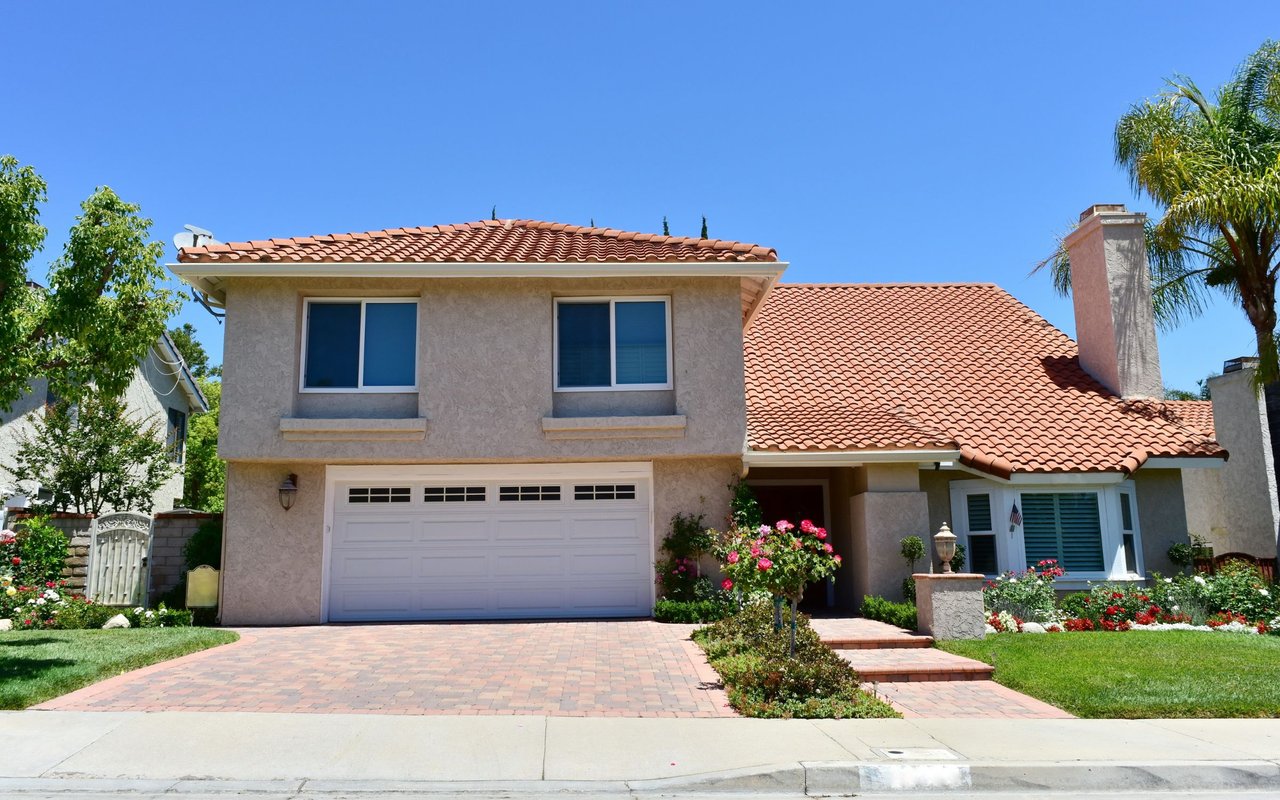

If you are thinking about selling in Oakland, here is the truth: a great home can still miss the mark if the launch feels rushed. In a market with mixed citywide signals and real differences from one neighborhood to the next, your preparation matters as much as your timing. The good news is that a standout launch is not about doing everything. It is about doing the right things in the right order. Let’s dive in.
Why launch quality matters in Oakland
Oakland is not one uniform market. Recent public data show different snapshots depending on the source and time frame, which is a strong reminder that your pricing and prep strategy should be shaped by your neighborhood, not just a citywide headline.
For example, Redfin’s rolling three-month view ending in May 2026 described Oakland as very competitive, with 17 days on market, four offers on average, and a median sale price of $884,471. Realtor.com’s March 2026 snapshot, by contrast, described Oakland as balanced, with 32 days on market, a 106% sale-to-list ratio, and about 1,100 active listings.
Those numbers are not necessarily in conflict. Zillow’s average home value for Oakland was $724,465 as of May 31, 2026, which measures something different than median sale price. The bigger takeaway is simple: broad city numbers are useful context, but they are not enough to guide your launch.
Neighborhood pace can vary too. In the same Realtor.com dataset, Caballo Hills showed 14 median days on market, while Montclair showed 22. That kind of spread is why sellers benefit from a plan built around recent local comps, buyer expectations in that pocket, and the home’s specific condition.
Start with a smart pre-list plan
The strongest launches usually begin earlier than sellers expect. If you wait until you are almost ready to list, you may find yourself juggling repairs, permit questions, staging, photography, and disclosures all at once.
A good pre-list plan helps you focus on what will actually affect buyer perception and transaction flow. In most cases, that means identifying visible defects, handling important safety items, reviewing anything that may come up in disclosures, and deciding which improvements are worth the time and effort before the home goes live.
This is also where local coordination matters. Oakland homes often have unique histories, older updates, hillside conditions, or exterior features that require closer review before launch.
Prioritize repairs that support the sale
Not every project is worth doing before you list. In Oakland, the most effective pre-sale work is often the work that improves first impressions, reduces obvious concerns, and avoids preventable surprises.
That can include cosmetic refreshes like paint touch-ups, deep cleaning, lighting updates, hardware replacement, flooring improvements, and simple yard cleanup. These are often lower-friction projects that can make your home feel cared for without extending your timeline too much.
At the same time, you should pay attention to issues buyers are likely to notice or flag. Visible wear, deferred maintenance, safety concerns, and items that may surface during inspections deserve early attention because they can affect both confidence and negotiations.
Know when permits matter in Oakland
One of the biggest mistakes sellers make is assuming a project is minor when it actually needs city review. Oakland says many common projects require permits before work starts, including exterior changes, window replacement, deck work, adding or removing walls, kitchen or bath remodels, grading, foundation repair, seismic retrofits, and mechanical, electrical, or plumbing work.
Oakland also specifically states that kitchen and bathroom remodels require a building permit before construction begins. Some eligible projects may qualify for same-day digital permits, but that does not change the need to confirm the scope before work begins.
If your listing window is tight, this is where strategy matters. Cosmetic improvements are often the fastest path to a cleaner launch, while larger exterior or structural work should usually be reserved for projects with a clear permit path and a strong resale payoff.
Check permit history early
Older Oakland homes can carry a lot of charm, but they can also carry questions. If your property has an older addition, a converted space, or changes made years ago, checking permit history before listing can help you understand what may need explanation.
Oakland says records begin in late 1905 and can be researched through Planning and Building records, microfiche, the Online Permit Center, and the Oakland History Center. For sellers, this step can help reduce surprises later, especially once buyers begin reviewing disclosures and inspections.
A permit-history review does not mean there is a problem. It simply gives you a clearer picture of the home’s paper trail so you can prepare with confidence.
Build your disclosure packet early
A smooth launch is not just about how the home looks. It is also about how well the sale is documented. In California, the Transfer Disclosure Statement describes the property’s condition and must be given to a prospective buyer as soon as practicable and before title transfer.
The TDS is not a warranty, but it is a key part of the sale. That is why it helps to begin gathering information early rather than rushing through it once the home hits the market.
You may also need a Natural Hazard Disclosure Statement. This covers items like flood zones, dam inundation zones, earthquake fault zones, seismic hazard zones, very high fire hazard severity zones, and state responsibility area wildland fire areas.
For homes built before 1978, federal lead-based paint disclosure requirements also apply. Sellers must disclose known hazards, provide available records or reports, and provide the required EPA pamphlet before the sale contract is signed.
Do not overlook safety items
Some of the most important pre-list details are easy to miss because they are not decorative. California requires carbon monoxide detection equipment in residential properties, and state seismic guidance says sellers of homes with water heaters must certify that the heater is braced, anchored, or strapped.
These are small items compared with staging or photography, but they can become meaningful once buyers start looking closely at property condition. Taking care of them early helps support a more polished and credible launch.
Fire-smart prep matters in Oakland hills areas
For many Oakland sellers, curb appeal is not just about beauty. It is also about wildfire readiness. Oakland’s safety materials say much of the city is designated as a very high fire hazard severity zone, and all parcels in Oakland’s Wildland-Urban Interface Fire Area must maintain defensible space.
The city describes this work through Zone 0, Zone 1, and Zone 2, with guidance that includes clearing combustibles, removing leaves from gutters, and pruning and spacing vegetation appropriately. Oakland’s home-hardening guidance also notes that some Zone 0 items are required, including noncombustible gates and fences and hardscaping.
If your home is in a hillside or wildfire-prone area, your exterior prep should be attractive and fire-smart. Clean lines, tidy gutters, trimmed vegetation, and noncombustible materials near the home usually fit Oakland’s guidance better than heavy re-landscaping close to the structure.
For some homes built before January 1, 2010 in high or very high fire hazard severity zones, California also requires a fire-hardening disclosure. That disclosure addresses vulnerabilities related to items such as vents, roofs, gutters, landscaping, and ember exposure.
Stage for how buyers shop
Once repairs and paperwork are underway, presentation takes center stage. Staging matters because buyers often form their first impression before they ever step through the front door.
The National Association of Realtors reported in its 2025 Profile of Home Staging that 83% of buyers’ agents said staging made it easier for a buyer to visualize the property as a future home. The same report found that buyers’ agents rated photos, traditional physical staging, videos, and virtual tours as highly important listing assets.
That insight matters in Oakland, where design, light, flow, and lifestyle often shape emotional response. Your launch should help buyers imagine how the home lives, not just show them empty rooms.
Focus on the rooms that carry the story
According to the same NAR report, the most commonly staged rooms were the living room, primary bedroom, dining room, and kitchen. If you are deciding where to focus your effort, these spaces are a smart place to start.
A living room can frame the home’s scale and light. A kitchen can reinforce function and finish level. A primary bedroom can bring calm, and a dining area can help buyers understand flow.
In practical terms, the ideal sequence is often:
- Declutter
- Complete key touch-ups
- Stage the main spaces
- Photograph the home professionally
- Launch with strong marketing assets ready
That order helps your photos and showings work together rather than compete with unfinished prep.
Keep curb appeal simple and strategic
Exterior changes can be tempting before a sale, but in Oakland, bigger is not always better. Since many exterior alterations can trigger permits or planning review, simple upgrades are often the wiser path when timing matters.
Fresh cleanup, neat pathways, pressure washing where appropriate, refreshed planting beds away from the structure, and a crisp front entry can go a long way. The goal is not to overbuild. The goal is to make the home feel cared for, inviting, and ready.
Time your launch around readiness
You may have seen headlines about the best week of the year to list a home. While national timing studies can be interesting, they are not a substitute for local strategy.
In Oakland, recent market snapshots have been mixed. Realtor.com’s March 2026 data showed about 1,100 active listings, 32 days on market, and a 106% sale-to-list ratio, while Redfin’s May 2026 rolling view showed 17 days on market and four offers on average.
That is why the best launch date for your home is usually the date when three things align:
- Your home is fully prepared
- Your disclosures are in order
- Your list price reflects recent neighborhood comps
A rushed launch can be hard to fix later. A well-timed launch gives your home the best chance to make a strong first impression and create momentum from day one.
Why one point of coordination helps
A standout launch has many moving parts. You may be balancing contractors, stagers, cleaners, photographers, disclosure prep, pricing decisions, and showing plans in a short window.
That process tends to go more smoothly when one experienced person is coordinating the sequence. It helps keep decisions aligned, prevents duplicated work, and creates a more consistent story from prep to photography to market debut.
In a city like Oakland, where neighborhood nuance, property condition, and timing all matter, that kind of coordination can make the difference between a listing that feels average and one that feels polished from the start.
If you are preparing to sell in Oakland, the most effective next step is to create a launch plan before you start spending money. The right advice can help you choose what to fix, what to disclose, what to stage, and when to go live with confidence. If you want thoughtful, neighborhood-specific guidance and hands-on listing coordination, connect with Kara Thacker Homes.
FAQs
What repairs matter most before listing an Oakland home?
- Focus first on visible defects, safety items, deferred maintenance, and anything likely to come up in disclosures, inspections, or permit history.
Do kitchen or bathroom updates need permits in Oakland?
- Yes, Oakland says kitchen and bathroom remodels require a building permit before construction begins, and many other interior and exterior changes may also require review.
How early should you start preparing your Oakland home for sale?
- Start as soon as selling becomes likely, because permits, disclosure prep, repairs, staging, and photography can take longer than many sellers expect.
Why should Oakland sellers look at neighborhood comps instead of citywide averages?
- Oakland behaves like a collection of micro-markets, and recent public data show different pricing and pace by source and by neighborhood.
What wildfire-related prep should Oakland hills sellers consider before listing?
- If your home is in a wildfire-prone area, review defensible-space guidance, clear leaves and combustibles, trim vegetation, clean gutters, and consider visible home-hardening measures near the structure.
Does staging really help when selling an Oakland home?
- Yes, NAR’s 2025 staging report found that 83% of buyers’ agents said staging made it easier for buyers to visualize a property as a future home.