Wondering why one Oakland home feels like a cozy time capsule, another feels like a glassy retreat in the hills, and a third looks more like a converted industrial loft? In Oakland, home style is not just about looks. It often tells you something important about the home’s age, setting, upkeep, and the kind of daily life you can expect. If you are trying to buy in Oakland, understanding these patterns can help you narrow your search and ask smarter questions from the start. Let’s dive in.
Why Oakland home styles matter
Oakland has a deep mix of old and new housing. According to the City of Oakland, the city’s historic resources span more than 170 years, and it includes about 140 individual landmarks plus nine preservation districts with roughly 1,500 buildings.
A large share of Oakland’s housing is also older. The City’s Housing Element says about 80.4% of Oakland housing was built before 1980, while only 1.8% was built after 2010. For you as a buyer, that means style is often a clue to condition, maintenance needs, and possible preservation rules.
Craftsman homes in Oakland
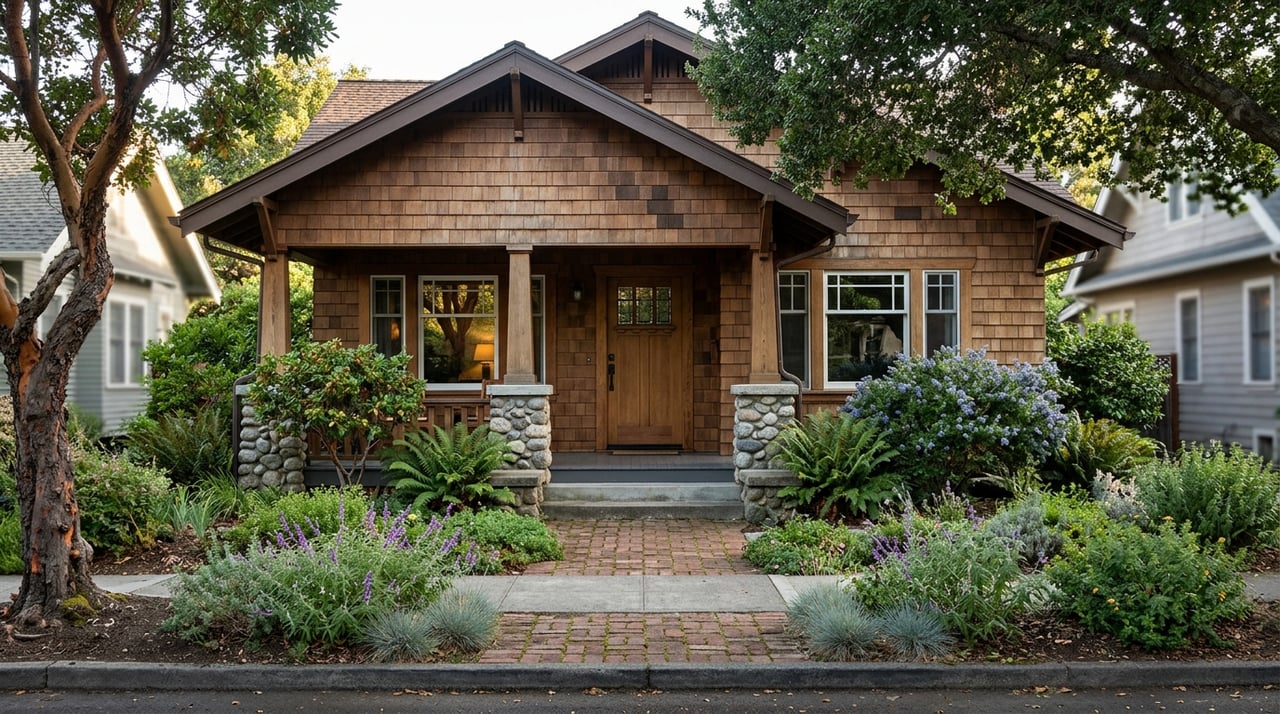
One of Oakland’s best-known home types is the Craftsman bungalow and other prewar single-family homes. A 2024 City planning report describes the Claremont Residential area as predominantly single-family, with many Craftsman and Prairie style homes dating to the early 1900s.
Craftsman homes are usually easy to recognize once you know what to look for. They often have low-pitched roofs, wide eaves, exposed rafters or beams, and front porches that create a strong connection to the street.
What Craftsman homes mean for buyers
If you love original character, a Craftsman may feel like home right away. These houses often have wood detailing, defined living and dining spaces, and a more segmented layout than many newer homes.
That charm can come with tradeoffs. Older materials and workmanship may be expensive or difficult to replace, and the City notes that historic buildings often use materials that are costly or even impossible to obtain today. If you are considering this style, it helps to think beyond aesthetics and budget for ongoing care.
Victorian and prewar districts
Oakland’s older neighborhoods are not all one thing. The city’s preservation districts include places such as Old Oakland-Victorian Row, the Bellevue-Staten Apartment District near Lake Merritt, Oak Center Historic District, and the 7th Street Commercial District in West Oakland.
The City’s rating system also points to district examples like Bella Vista, Jingletown, Clawson Neighborhood, and Carrington Airplane Bungalows. In practical terms, that means Oakland’s older housing stock can include rowhouse blocks, apartment districts, bungalow courts, and mixed-use streets.
What older districts can offer
If you are drawn to historic neighborhoods, you may find more visual variety and stronger architectural identity from block to block. Some buyers love that sense of place and the distinct details that come with older buildings.
At the same time, older homes and buildings often require more careful due diligence. The style may be beautiful, but the real question is how well the property has been maintained and whether any city preservation rules apply.
Mid-century modern homes in the hills
If your ideal home includes walls of glass, clean lines, and a stronger connection to the outdoors, Oakland’s mid-century homes may stand out. Oakland Heritage Alliance notes that Joe Eichler’s 54 homes in Sequoyah Hills make up Oakland’s only Eichler tract.
Mid-century modern design is known for large expanses of glass and integration with nature. In Oakland, this style is often associated with hillside settings where light, views, and indoor-outdoor flow are a big part of the appeal.
What mid-century homes mean for buyers
These homes often feel brighter and more open than many prewar houses. If you value a more airy layout and a visual connection to the landscape, this can be a strong fit.
Still, the same features that create that appeal deserve close attention. Large windows, roof condition, and hillside exposure all matter. If you are shopping in Oakland’s hill neighborhoods, it is wise to evaluate the architecture and the site together.
Loft condos and warehouse conversions
Oakland also has a more urban housing story, especially in downtown and Jack London. The Downtown Oakland Specific Plan, adopted in July 2024, anticipates 29,100 new housing units and continued growth near transit hubs.
City planning documents also describe historic warehouse buildings that have been preserved and reused through adaptive reuse. Former warehouse loft projects in the Waterfront Warehouse District, including Fourth Street Lofts, reflect this side of Oakland’s housing mix.
What loft-style living means for buyers
If you want a more urban lifestyle, loft-style condos and warehouse conversions may offer what you are after. These homes often trade private yard space and a traditional neighborhood feel for walkability, mixed-use surroundings, transit access, and flexible interiors.
For some buyers, that trade is well worth it. For others, it helps to think carefully about how much privacy, storage, and separation between living spaces you want in your day-to-day life.
Home style often signals upkeep
In Oakland, style and age usually go hand in hand. Since so much of the housing stock predates 1980, buyers should expect older systems, older materials, and a greater need for inspection and planning.
The City notes that older buildings can fall into disrepair without proper maintenance. Its minimum maintenance standards specifically prohibit deteriorated roofs, doors, walls, windows, peeling exterior paint, and broken structures. That makes condition one of the most important parts of evaluating an older Oakland home.
Lead paint and age-related issues
Lead paint is a practical issue in many older homes. The City’s housing materials note that lead paint was not banned until 1978, so homes built before then may still present hazards.
This does not mean you should avoid older homes. It does mean you should inspect carefully, ask questions early, and build a realistic maintenance budget into your buying plan.
Historic status can affect future changes
Some Oakland homes are simply older. Others also have formal historic significance. If a property is designated as a Landmark, Heritage Property, or sits within a preservation district, exterior changes may be subject to City preservation rules.
Oakland says A and B rated properties are landmark-quality buildings, and the City may apply review, postponement, or design compatibility standards to certain demolitions or major alterations. For buyers, that matters because future projects may involve added review.
Possible Mills Act tax relief
Some historic properties may qualify for Mills Act tax relief if the owner agrees to maintain the historic character of the home. That can be a meaningful benefit, but it comes with responsibilities tied to preservation.
If you are interested in a home with historic features, it is smart to learn whether it is just architecturally old or officially recognized by the City. That distinction can shape both your costs and your options over time.
Hillside buyers should think beyond style
A striking hillside home can be hard to resist. But in Oakland, hillside buying also means paying attention to wildfire-related requirements.
The City says parcels in the Wildland-Urban Interface fire area, also called the Very High Fire Hazard Severity Zone, must maintain defensible space. Oakland also notes that hill inspections focus on steep terrain, dense vegetation, and limited emergency access.
Questions to ask for hillside properties
If you are looking at homes in the hills, consider asking about:
- Defensible space requirements
- Vegetation management needs
- Roof and window condition
- Site access and driveway conditions
- Slope and exposure around the home
These are not reasons to rule out hillside living. They are reasons to match the home’s setting with your comfort level for maintenance and planning.
How to research a specific Oakland home
One of the best things you can do as a buyer is verify what a home’s style really signals. The City says the Oakland Cultural Heritage Survey includes every visible building in Oakland, which makes it a useful tool when you are researching a property.
You can also look into the City’s historic-property research resources and permit records. Together, these can help you understand whether a home is simply older, whether it has preservation significance, and whether major work has been done over time.
The key takeaway for Oakland buyers
In Oakland, home style is rarely just cosmetic. It usually points to three things at once: age, geography, and upkeep.
Prewar Craftsman and Victorian-era homes often offer the most historic character. Mid-century hillside homes tend to emphasize light, views, and indoor-outdoor living. Downtown and Jack London lofts lean toward transit access, adaptive reuse, and a more urban rhythm.
The right fit comes down to how you want to live. If you understand what each style tends to mean before you make an offer, you can shop with more confidence and fewer surprises.
If you want help comparing Oakland home styles, understanding neighborhood nuances, or evaluating what a specific property may mean for your budget and lifestyle, Kara Thacker Homes offers thoughtful, local guidance shaped by years of East Bay experience.
FAQs
What do Craftsman homes in Oakland usually offer buyers?
- Craftsman homes in Oakland often offer original wood details, front porches, and defined room layouts, but they may also require more maintenance because of their age and materials.
What should buyers know about Oakland mid-century homes?
- Oakland mid-century homes often appeal to buyers who want light, views, and indoor-outdoor connection, especially in hillside areas, but buyers should pay close attention to windows, roof condition, and site exposure.
What do loft-style condos in downtown Oakland mean for buyers?
- Loft-style condos in downtown Oakland often mean a more urban lifestyle with transit access, mixed-use surroundings, and adaptive reuse character, usually with less private outdoor space.
How can buyers check if an Oakland home has historic status?
- Buyers can research a property using the Oakland Cultural Heritage Survey, the City’s historic-property research resources, and permit records to see whether a home is older, historically rated, or located in a preservation district.
What should buyers watch for in older Oakland homes?
- Buyers should look closely at overall maintenance, including roofs, windows, walls, exterior paint, and older systems, and they should remember that pre-1978 homes may also have lead paint concerns.
What is important about buying a hillside home in Oakland?
- Buying a hillside home in Oakland means looking beyond architecture to factors like wildfire defensible space requirements, vegetation management, steep terrain, and emergency access.