Deciding between the calm, view-filled Oakland Hills and the buzz and convenience of Rockridge can feel like choosing between two great lives. You might crave space, privacy, and sunsets over the Bay, or you may want an easy stroll to coffee, Market Hall, and BART. This guide gives you a clear, side-by-side view of what each area offers so you can match your lifestyle, budget, and long-term plans to the right neighborhood. Let’s dive in.
Quick take: Hills vs. Rockridge
If you want a highly walkable main street, quick BART access, and charming period homes, Rockridge fits well. The neighborhood centers on College Avenue’s shops and dining, and the Rockridge BART station anchors fast rail to downtown Oakland and San Francisco. Rockridge’s market often runs near the top of Oakland price-wise for homes close to BART and the College Avenue spine.
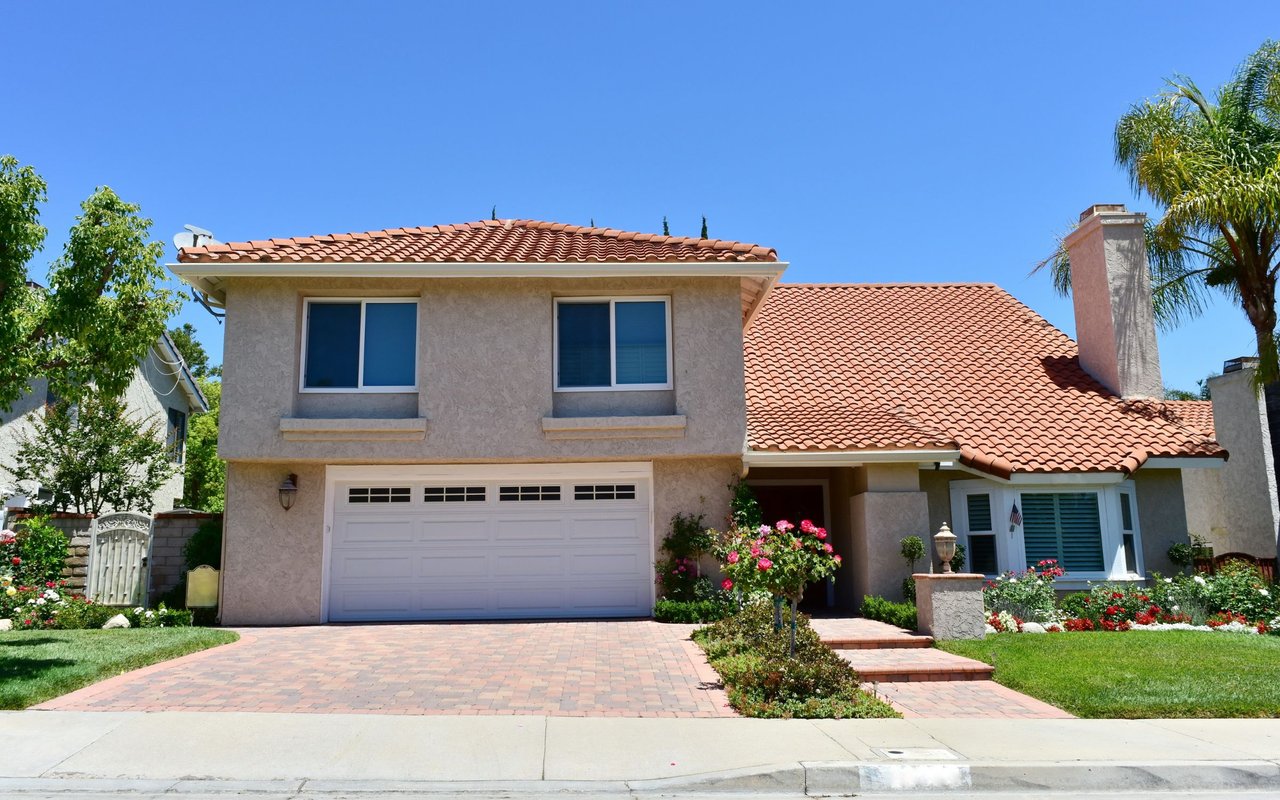
If you want larger lots, more privacy, and Bay or canyon views, the Oakland Hills are compelling. Areas like Montclair, Upper Rockridge, and Redwood Heights offer a quieter, more suburban feel with winding streets and hillside architecture. Daily errands are more car-oriented, though Montclair Village and a few small hubs provide local shopping and dining.
What you get for your budget
Neighborhood medians shift month to month, but recent snapshots help frame expectations. As of January 2026, Redfin reported an approximate $2.17M median sale price in Rockridge, with strong competition for well-located, turn-key homes near BART. Upper Rockridge showed a lower median around $1.40M, reflecting a broader mix of house sizes and conditions.
Montclair’s median sat near $1.18M in the same timeframe, with many sales between $1.3M and $2.0M-plus depending on size, views, and renovation level. Zillow’s Rockridge home-value index in early 2026 ranged from the mid to high $1Ms depending on the exact metric. For precise pricing on a given block, use current MLS comps and on-the-ground agent insight.
Housing style and daily feel
Rockridge: walkable and architectural
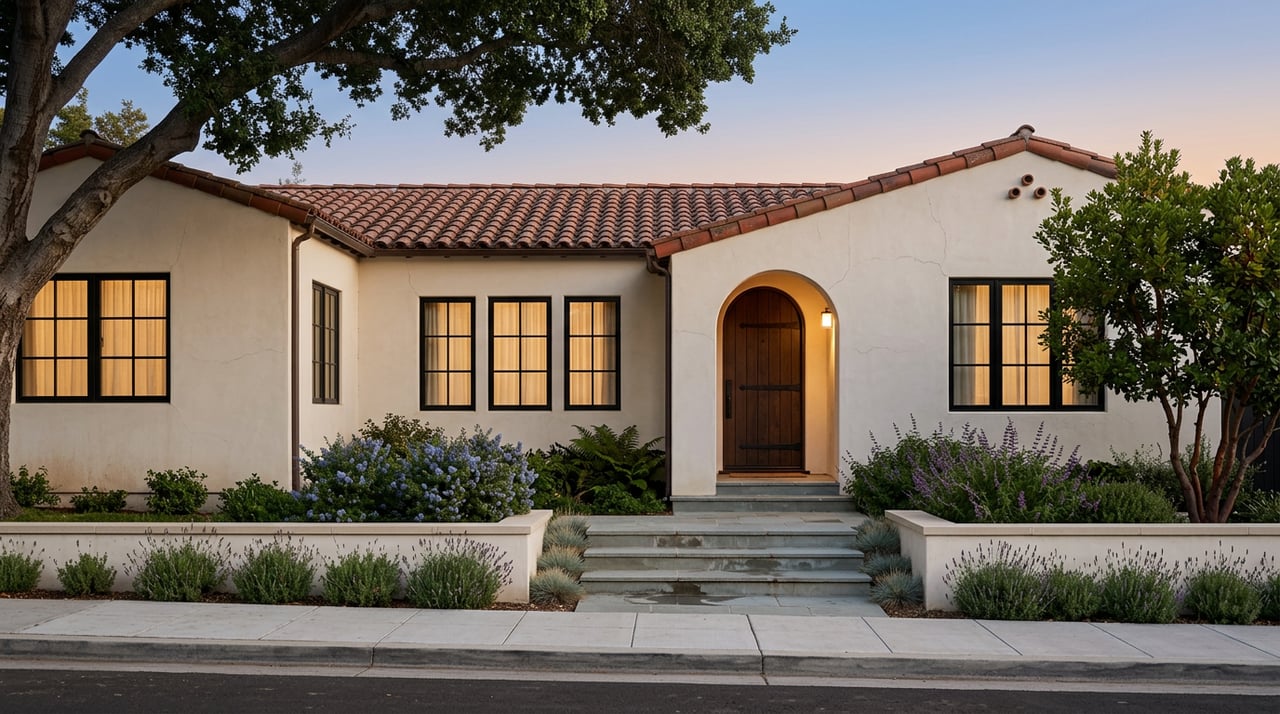
Rockridge is known for tree-lined streets and classic early 20th-century architecture, including Craftsman, Tudor, and Mediterranean styles. College Avenue is the neighborhood’s retail spine, with Market Hall, restaurants, and independent shops that support a car-light lifestyle. Many homes date from the 1920s to 1950s, and you will also see small apartment buildings and condos within an easy walk of the corridor. Lots tend to be smaller than in the hills, and some properties have limited off-street parking. Learn more about the neighborhood’s character along the College Avenue corridor in the Rockridge overview.
Oakland Hills: space, views, and quiet
The hills deliver a different cadence of life. You will find more single-family homes, larger yards, and a mix of mid-century and custom designs that take advantage of slope and views. Decks, outdoor rooms, and mature trees are common, and many homes orient living spaces toward Bay outlooks. Steeper, winding streets add privacy, but they also make daily walking less practical outside of village cores, and hillside construction can involve added attention to retaining walls, drainage, and vegetation management.
Commute, walkability, and convenience
Transit and commute
Rockridge offers direct BART service with frequent trains. Many rail rides to central San Francisco are often about 20 to 25 minutes, depending on the specific destination and transfers. If car-free commuting is a top priority, living near the Rockridge station makes day-to-day logistics simple. In the hills, most residents drive to BART or directly to job centers, and some pockets have local bus service. If timing matters, use the BART trip planner and do a door-to-door dry run that includes walking and parking time.
Walkability metrics
Walk Score rates central Rockridge as highly walkable, with many errands possible on foot and strong access to transit and biking routes. Much of the hills score lower, especially outside village hubs like Montclair, which is itself a more walkable enclave. For a quick comparison, check Walk Score’s Oakland page and map a 10 to 15 minute walking radius around any address you are considering.
Schools and enrollment steps
Public school assignment in Oakland is address-specific and changes over time. Rockridge-area addresses are often associated with Chabot Elementary, Claremont Middle, and Oakland Technical High School, while hills addresses may align with Redwood Heights Elementary or Thornhill Elementary, among others. The right next step is to confirm the exact school for a specific address using the OUSD school directory and to review program details on school pages like Chabot Elementary’s resources, Thornhill Elementary, and Redwood Heights Elementary.
Tip: If school planning is important to you, set a calendar for enrollment windows and school tours early in your search.
Fire and earthquake realities to plan for
Wildfire in the hills
Much of the East Bay hills sits within Very High Fire Hazard Severity Zones identified by the California State Fire Marshal. These designations influence building requirements, defensible-space expectations, and disclosure details. Review the state’s guidance on wildland hazards and building codes, and check a specific property’s status using fire-hazard mapping resources. The 1991 Oakland-Berkeley Hills firestorm remains a key reference for planning and neighborhood vegetation management, summarized in this historical overview.
What this means for buyers: budget time and funds for home-hardening items like ember-resistant vents, Class A roofing, non-combustible landscaping, and ongoing vegetation work. Ask for seller disclosures about fuel-reduction efforts and any relevant permits. For mapping and data-oriented research, you can also explore FRAP datasets and viewers that describe local responsibility zones.
Earthquake risk and retrofits
Oakland sits near the Hayward Fault, one of the most closely watched urban faults in the country. The USGS HayWired scenario models a magnitude 7.0 Hayward Fault earthquake and outlines expected shaking and infrastructure impacts for the region. If you want a technical deep dive, review the USGS HayWired materials.
What this means for buyers: request structural reports, verify foundation bolting, evaluate chimney and bracing, and ask about any seismic retrofit work. For older multi-unit or soft-story buildings, confirm compliance with applicable retrofit ordinances. Earthquake insurance is a separate policy and an added cost to factor into your total budget.
A simple decision framework
Use this checklist to turn lifestyle preferences into a clear choice.
- Commute tolerance: If a quick, car-free ride to downtown Oakland or San Francisco is essential, Rockridge near BART usually wins. If you are comfortable driving to transit or job centers, the hills open many options.
- Yard and views vs. daily walkability: If a private yard and Bay or canyon views top your list, look to the Oakland Hills. If daily coffee runs, dinner on foot, and neighborhood buzz make you happiest, Rockridge is a great match.
- Budget and resale: Rockridge central addresses often carry a premium. The hills have wide pricing bands based on lot, view, and condition. Compare current sold comps street by street and account for hillside maintenance or retrofit costs.
- School planning: Identify your must-have schools and verify the exact assignment for any address through the OUSD school directory. Set reminders for enrollment periods and campus tours.
- Risk and insurance: Ask for wildfire disclosures, vegetation-maintenance history, and seismic-retrofit documentation. Use the state’s wildland hazard guidance and the USGS HayWired scenario if you want deeper context.
Example paths based on priorities
- You value car-free living and time savings. Rockridge places BART, College Avenue shopping, and daily services within a short walk. Many commutes to San Francisco fall near 20 to 25 minutes of rail time. Expect strong competition for well-located homes near the station.
- You want space, privacy, and outdoor living. The Oakland Hills deliver larger lots, decks, and view opportunities, along with quiet streets and a closer connection to nature. Plan for car-based errands and add a line item for hillside upkeep and vegetation management.
Your next step with a local guide
Choosing between two great options is easier when you can see the tradeoffs in real time. If you want to test commute times, compare walk radiuses, and stack current comps side by side, connect with a seasoned, educator-style agent who knows both pockets well. For a personalized plan and on-the-ground insight, reach out to Kara Thacker Homes. We will align your budget, school goals, and lifestyle with the streets and homes that fit best.
FAQs
What makes Rockridge different from the Oakland Hills?
- Rockridge centers on a walkable College Avenue corridor with direct BART access and classic period homes, while the hills offer larger lots, quieter streets, and frequent Bay or canyon views with more car-based convenience.
How competitive is the Rockridge market compared to the hills?
- Rockridge near BART and College Avenue is often described as very competitive, with strong demand for turn-key homes, while the hills can vary widely based on lot, views, and renovation level.
How should I compare commute times between the two areas?
- Start with your door-to-door route, including the walk or drive, parking, and train time; Rockridge BART places many San Francisco rail rides around 20 to 25 minutes, while most hills residents drive to transit or directly to work.
Do school options differ between Rockridge and the hills?
- Addresses often align with different OUSD schools, but assignments change; verify a specific address using the OUSD school directory and review program details for the schools that matter to you.
Should I worry about wildfire if I buy in the hills?
- Many hill areas fall within Very High Fire Hazard Severity Zones, so plan for home hardening, defensible space, and evacuation awareness; review state guidance on wildland hazards and building codes.
What earthquake steps should I take before buying?
- Ask for structural reports, confirm foundation bolting and bracing, and factor the cost of seismic retrofits; for context on regional risk, see the USGS HayWired scenario.