Wondering what daily life feels like when your home is surrounded by water but still closely connected to the East Bay? Alameda offers a lifestyle that feels distinct from nearby cities, with a strong island identity, historic housing, waterfront access, and a commute pattern shaped more by ferries, buses, bikes, and walking than rail. If you are trying to picture what it is really like to live here, this guide will help you understand the rhythm of the island, the feel of different areas, and what makes Alameda stand apart. Let’s dive in.
Why Alameda Feels Different
Alameda is an island community of about 80,000 residents, located roughly seven miles east of San Francisco and less than a mile west of Oakland. Even though it sits close to major Bay Area job centers and cultural hubs, the city has a more self-contained feel than many nearby East Bay communities.
That sense of separation is not just about geography. Alameda is shaped by its island setting, its largely residential layout, and a city identity tied to historic preservation, transit, and pedestrian life. You are connected to the region, but daily life tends to feel organized around the island itself.
Alameda’s Housing Character
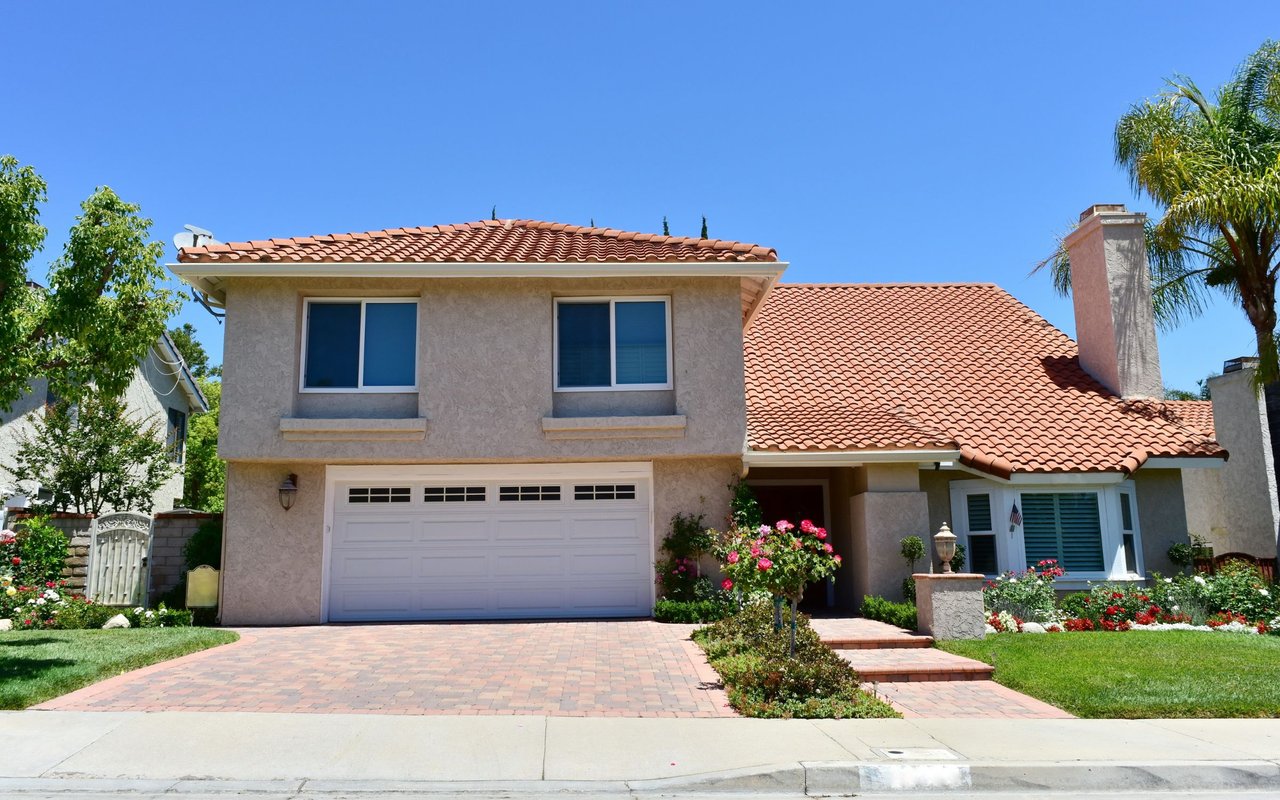
One of the first things many people notice about Alameda is its historic housing stock. The city says there are more than 10,000 buildings constructed before 1930, and many neighborhoods still reflect growth from the rail-and-ferry era.
That older fabric plays a big role in the city’s character today. Measure A, which limits residential structures to two units or fewer, grew out of concerns about replacing Victorian homes with larger apartment buildings. As a result, much of Alameda remains lower-rise and visually consistent compared with denser nearby areas.
Historic preservation also shapes what ownership can feel like here. In Alameda, alterations to structures built before 1942 can trigger review, and areas including the Park Street business district and Alameda Point are identified as historic districts. If you are considering an older home, that is an important part of the local context.
How Different Parts of Alameda Feel
Alameda is not one-note. Different parts of the island offer different housing styles, street patterns, and day-to-day experiences.
East End and Tidal Canal
The East End and Tidal Canal area is described by the city as a vibrant waterfront residential community with mixed-use and industrial edges along the estuary. It combines residential streets with a close relationship to the shoreline.
This area also comes with practical considerations. Because parts of the shoreline are low-lying, flood resilience is part of the neighborhood conversation. For buyers, that can shape how you think about long-term planning and waterfront living.
Bay Farm Island
Bay Farm Island reads differently from the older core of Alameda. Much of its residential growth happened from 1970 to 1990, so it often feels newer and more suburban in layout and appearance.
If you are looking for a section of Alameda that may feel more contemporary in planning style, Bay Farm is often part of that conversation. It still offers the island setting, but with a built environment that differs from the older Victorian and early-20th-century areas.
Alameda Point
Alameda Point has a distinct identity shaped by its past as the former Naval Air Station. The city is guiding it toward a mix of commercial, residential, open space, recreational, and retail uses.
The area has a more industrial-maritime feel, especially around places like Seaplane Lagoon Promenade and Spirits Alley. Historic buildings and hangars, waterfront views, and adaptive reuse all contribute to a setting that feels different from the rest of the island.
Getting Around in Alameda
Transportation is one of the biggest lifestyle differences between Alameda and other East Bay cities. There is no BART station on the island, so getting around relies more on a mix of ferries, AC Transit, biking, and walking.
The city notes that Alameda has sidewalks on almost all streets and bikeways across town. That supports a more local, neighborhood-oriented way of moving through daily life, especially for short trips.
Ferries Are Part of the Routine
Ferry service is a major part of Alameda living. The city says there are three ferry terminals serving San Francisco, South San Francisco, and Oakland.
Seaplane Lagoon offers direct service to San Francisco. Main Street Alameda connects to Oakland Jack London Square through the Alameda Short Hop and also serves Downtown San Francisco and South San Francisco. The Short Hop crossing takes about 10 minutes, which gives some commutes a very different feel from sitting in freeway traffic.
Bus Service Matters Too
AC Transit also plays a key role in island transportation. Line W serves Alameda, Oakland, and San Francisco, with stops along Bay Farm, South Shore, and western and central Alameda.
For many residents, the transportation pattern feels more ferry-and-bus oriented than rail-oriented. That may appeal to you if you value options beyond driving, but it is also something to think through carefully when comparing Alameda with places that have direct BART access.
Waterfront Living Is a Real Lifestyle Feature
In Alameda, the waterfront is not just scenery. It shapes how people spend free time, gather outdoors, and experience the city day to day.
Robert W. Crown Memorial State Beach is one of the clearest examples. The park offers 2.5 miles of beach, a bicycle trail, picnic grounds, swimming, wildlife viewing, windsurfing, surfing, and the Crab Cove Visitor Center.
That kind of access adds a different rhythm to everyday life. Instead of needing a full weekend plan to get outdoors, you may be minutes from a shoreline walk, a bike ride, or time at the beach.
The city’s recreation system also reinforces that pattern. Alameda says its recreation department manages more than 30 parks and facilities, and newer shoreline projects like Seaplane Lagoon Promenade combine public space, bay views, and planning for sea-level rise.
Commercial Streets and Community Events
Alameda’s daily rhythm is also shaped by its neighborhood business districts and recurring local events. The city identifies Park Street and Webster Street as its two primary entertainment districts, linked by Lincoln Avenue.
These corridors help give the island a lived-in, local feel. Instead of relying entirely on neighboring cities for shopping or outings, residents often have everyday destinations close at hand.
The city also points to the Alameda Farmers’ Market at the West End lot on Tuesday and Saturday mornings. Events like the Downtown Art & Wine Faire, free Starlight Movies in the Park, and the 4th of July Parade add to the sense of community routine.
The 4th of July Parade is especially notable. The city calls it the longest in the nation at 3.3 miles, which gives you a sense of how civic traditions can become part of the yearly rhythm of living here.
Alameda Compared With Oakland or Berkeley
If you are deciding between Alameda and nearby East Bay cities, the difference often comes down to feel. Alameda generally feels more self-contained, lower-rise, and more water-oriented than Oakland or Berkeley.
That difference comes from several factors working together: island geography, preservation culture, older housing stock, and a commute network built around ferries, buses, biking, and walking. You are still close to Oakland, Berkeley, and San Francisco, but the experience of living in Alameda tends to feel more insulated from the pace of those cities.
For some buyers, that balance is exactly the draw. You can stay regionally connected while enjoying a setting that feels calmer, more residential, and closely tied to the shoreline.
Who Alameda May Appeal To
Alameda can be especially appealing if you are looking for:
- A residential setting with a strong sense of place
- Historic homes and preserved neighborhood character
- Waterfront recreation woven into daily life
- Access to San Francisco and Oakland without living in the middle of either city
- A community where walking, biking, buses, and ferries are part of the transportation mix
It may require a mindset shift if you are used to planning life around BART or a more urban street pattern. But for many people, that tradeoff is part of what gives Alameda its charm.
If you are considering a move in the East Bay, the most important question is not just where you can buy. It is where your day-to-day life will feel most like home. If you want help comparing Alameda with nearby neighborhoods and understanding how different parts of the East Bay align with your goals, Kara Thacker Homes can help you make a more confident decision.
FAQs
What is daily life like in Alameda, California?
- Daily life in Alameda tends to feel more residential, waterfront-oriented, and self-contained than in nearby East Bay cities, with local routines shaped by neighborhood business districts, parks, ferries, buses, biking, and walking.
How do people commute from Alameda?
- Many residents use a mix of ferry service, AC Transit bus routes, biking, walking, and driving, since there is no BART station on the island.
What is Alameda Point like?
- Alameda Point has a former naval base setting that is evolving into a mix of residential, commercial, retail, open space, and recreational uses, with a distinctive industrial-maritime feel and waterfront views.
Is Alameda known for historic homes?
- Yes. Alameda has more than 10,000 buildings constructed before 1930, and its historic housing stock is a major part of the city’s character.
What are the main commercial areas in Alameda?
- The city identifies Park Street and Webster Street as its two primary entertainment districts, with Lincoln Avenue linking them.
Does Alameda have good outdoor access?
- Alameda offers strong waterfront recreation access, including Robert W. Crown Memorial State Beach, a bicycle trail, swimming, wildlife viewing, picnic areas, and more than 30 parks and facilities managed by the city.