Trying to decide between a condo and a house in Oakland? You are not alone, and in this market, the choice can shape your budget, monthly costs, commute, and day-to-day lifestyle in a big way. If you are weighing lower-maintenance city living against more space and control, this guide will help you compare the tradeoffs clearly and confidently. Let’s dive in.
Oakland Prices Make the Choice Real
In Oakland, choosing between a condo and a house is often not just about preference. It is also about what different property types cost in very different parts of the market. Over the last three months ending April 2026, Oakland’s citywide median sale price was about $849,561, with homes selling in roughly 16 days and receiving about 4 offers on average.
Condos sit in a lower-priced slice of the market. Oakland currently has 194 condos for sale at a median listing price of $479,000. That lower entry point is one reason many first-time buyers, relocating professionals, and buyers who want to stay flexible start their search with condos.
Neighborhood examples make the gap even clearer. In Jack London Square, condo and loft listings range from about $299,000 for a studio to $699,000 for a two-bedroom unit, with other examples around $339,000 and $519,000. By comparison, Rockridge’s median sale price was about $1.261 million, showing how quickly detached-home pricing can rise in Oakland.
Ownership Works Differently
What You Own in a Condo
In California, the biggest difference between a condo and a house is the ownership structure. According to the California Department of Real Estate, a condo owner owns the separate unit plus an undivided interest in the common areas, along with the right to use common facilities. That means the legal setup matters more than whether the building looks like a classic apartment building or something else.
If you buy in a common-interest development, you automatically become a member of the homeowners association. The HOA maintains common areas, enforces governing documents, and collects dues and assessments. Before you buy, it is important to review the CC&Rs, bylaws, and rules so you understand the property’s framework.
What You Own in a House
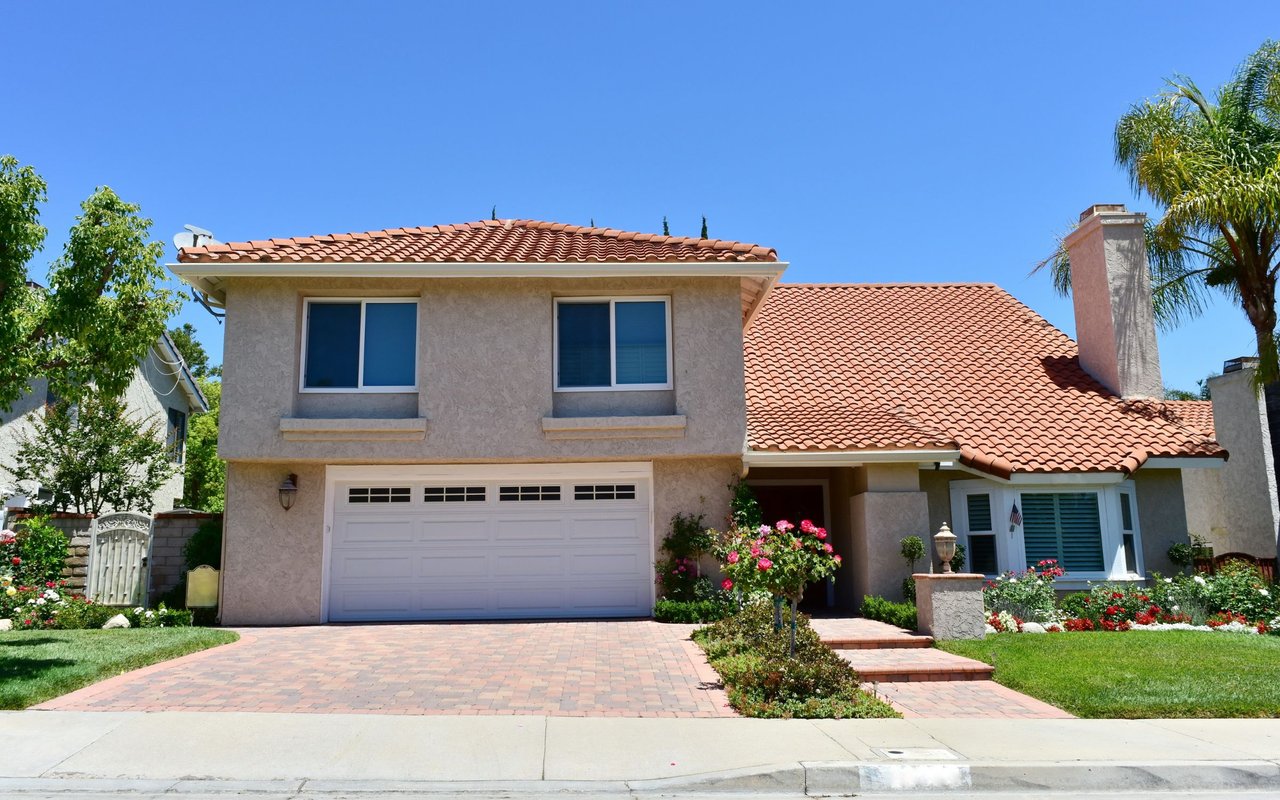
With a house in a standard subdivision, you generally own the lot or parcel exclusively. That creates a different kind of control and responsibility. In practical terms, a house usually gives you more direct say over landscaping, fences, and exterior projects because you are not sharing ownership of common areas in the same way.
This distinction matters because two homes can offer similar square footage but very different experiences of ownership. If you care deeply about autonomy, exterior changes, or use of outdoor areas, this is one of the first points to think through.
Monthly Costs Need a Closer Look
A condo may come with a lower purchase price, but your true monthly payment needs more than a mortgage estimate. HOA dues are part of the picture, and they help fund operations and reserves for the building or development. In some current Jack London Square listings, HOA dues appear in the $682 to $925 range.
The California Department of Real Estate notes that regular assessments typically fund day-to-day operations and reserves. The same guide explains that regular assessments generally cannot increase by more than 20% per year without member approval, but special assessments may still be charged for major repairs or unexpected costs if regular dues are not enough.
That does not make condos a bad value. It simply means you should compare monthly housing costs carefully, not just sticker prices. A lower-priced condo with substantial dues may still fit you well, but you want to know the full picture before you commit.
Outdoor Space Feels Different
Condo Outdoor Space Can Be Useful
If you picture condo living as giving up outdoor space entirely, Oakland offers a more nuanced reality. In California common-interest developments, features like balconies, patios, parking spaces, driveways, exterior doors, windows, and even some private yard areas can be classified as exclusive-use common area. So yes, a condo can absolutely include meaningful outdoor space.
Still, it is important not to assume that a patio or yard area in a condo works the same way as a privately owned lot. The rights and responsibilities attached to that space depend on the governing documents and ownership structure. That is why document review matters so much.
Houses Usually Offer More Control
With a house, you usually have more direct control over the outdoor areas tied to your lot. If gardening, pets, exterior upgrades, or future landscaping projects are high on your list, a detached home may align better with how you want to live. For many buyers, this is where the condo-versus-house question becomes less abstract and much more personal.
In Oakland, that tradeoff often connects directly to price. Some buyers who want more privacy or outdoor room still begin with a condo because stretching immediately into a detached-home budget may not make sense for them right now.
Oakland Lifestyle Can Tip the Scale
Oakland is a city of micro-markets, and your location can shape your experience just as much as your property type. Redfin describes Oakland as fairly walkable, with a Walk Score of 75. That can make condo living especially appealing if you want a more urban, connected routine.
Jack London Square is one local example of that lifestyle. It is Oakland’s only publicly accessible mixed-use waterfront and marina area, with estuary walking paths and transportation options that include ferry, transit, biking, walking, and driving. If you want a compact home with access to a more active urban setting, that kind of location may be worth serious consideration.
By contrast, higher-priced detached-home areas such as Rockridge represent a different tradeoff. You may gain more space and privacy, but often at a much higher price point. Neither option is better in every case. The right fit depends on how you want your home to support your daily life.
Commute Patterns Matter in Oakland
Transit-Friendly Condo Locations
Oakland gives you real multimodal options. BART stations in the city include 12th St. Oakland City Center, 19th St. Oakland, Lake Merritt, MacArthur, Fruitvale, Coliseum, Oakland International Airport, and West Oakland. Jack London Square also has SF Bay Ferry service, which adds another layer of commute flexibility.
That matters because some condo locations can make it easier to live near transit, downtown services, or major job centers. For buyers who value shorter door-to-door routines or want alternatives to driving every day, condos near BART or waterfront transit options can be especially attractive.
Space May Change the Commute Equation
Bay Area commuting data shows that 69% of commuters drove to work in 2024, 8% used public transit, and 17% worked from home. The average Bay Area commute time was 30 minutes. Commuters who drove alone averaged 29 minutes, while transit commuters averaged 50 minutes.
In Alameda County, 18% of residents worked from home in 2024. If you work remotely full time or part time, you may be more willing to trade a central condo location for a house with extra space. If you commute often, proximity to BART, ferry service, walkable corridors, or downtown access may carry more weight in your decision.
Questions to Ask Before You Choose
When buyers feel stuck between a condo and a house, the answer usually becomes clearer after a few practical questions.
- What is my full monthly cost? Include mortgage, taxes, insurance, and any HOA dues.
- What do I actually own? A condo means owning a unit plus shared common interests. A house usually means owning the lot outright.
- How much control do I want? Think about exterior changes, landscaping, and outdoor use.
- How important is commute flexibility? Transit-rich locations may favor condos in some Oakland submarkets.
- What price range is realistic for me today? Oakland’s condo and detached-home markets often sit in very different budget tiers.
If you answer those questions honestly, the right path often starts to come into focus.
How to Decide With Confidence
A condo can be a smart fit if you want a lower entry point, a more urban location, and less direct responsibility for shared-area maintenance. A house may be the better choice if you want more space, more control over the property, and room to grow into the home over time. In Oakland, both paths can make sense, but they serve different goals.
The key is to compare more than bedrooms and square footage. You want to understand ownership, monthly costs, outdoor use, location, and how the property fits your routine. That kind of side-by-side thinking can save you from choosing based only on price or first impressions.
If you want help comparing Oakland condos and houses in the neighborhoods that fit your goals, Kara Thacker Homes offers patient, local guidance designed to help you make a smart move with fewer surprises.
FAQs
What is the difference between condo ownership and house ownership in Oakland?
- In California, a condo usually means you own your unit plus an undivided interest in common areas, while a house in a standard subdivision usually means exclusive ownership of the lot or parcel.
What should buyers include in the monthly cost of an Oakland condo?
- You should look at the mortgage, property taxes, insurance, and HOA dues, and remember that special assessments may also occur for major repairs or unexpected costs.
Do Oakland condos ever include outdoor space?
- Yes. In a common-interest development, balconies, patios, parking spaces, driveways, and even some private yard areas may be classified as exclusive-use common area.
Are houses in Oakland usually more expensive than condos?
- Often, yes. Oakland condos currently have a median listing price of about $479,000, while the citywide median sale price is about $849,561, and neighborhoods like Rockridge are in a much higher price tier.
Which Oakland locations may work well for condo buyers who commute?
- Transit-oriented areas near BART, downtown, or Jack London Square may appeal to buyers who want access to rail, ferry, walking, biking, and other commute options.