Are you picturing golden morning light and wide Bay views, or easy strolls to cafés and BART? If you are deciding between Berkeley’s hills and flats, you are not alone. Each setting offers a distinct rhythm to your day, from how you run errands to where you unwind outside. This guide walks you through the real, day-to-day differences so you can choose a lifestyle that fits how you live. Let’s dive in.
Hills vs flats at a glance
In this guide, “hills” refers to the Berkeley Hills and adjacent ridge neighborhoods such as Claremont, Thousand Oaks, La Loma, and parts of Northbrae. Streets are steeper and often winding, homes sit on sloped lots, and trailheads and ridge lines are close by. “Flats” means the lower-elevation neighborhoods closer to the Bay, including Downtown, Southside, North Berkeley, Elmwood, West Berkeley, and South Berkeley.
Why this matters: elevation influences your daily life. The hills and flats differ in walkability, transit access, weather patterns, views, yard space, and exposure to wildfire or slope-related hazards. Boundaries are fuzzy in spots, especially where hills meet Solano Avenue or the edges of Elmwood and North Berkeley, so think in terms of pocket-by-pocket fit.
Getting around and walkability
On foot
- Flats: You can often walk to everyday needs. Corridors like Shattuck, Telegraph, University, Solano, and College offer groceries, cafés, restaurants, bookstores, and services within a few blocks of many homes. If you want frequent errands on foot, the flats tend to shine.
- Hills: Some pockets near the hill edge have small clusters of shops, but many streets are purely residential. Steeper grades, stair streets, and longer walks to retail mean you may plan errands by car more often.
Quick takeaway: If car-light living and spontaneous café walks matter to you, the flats are usually the better match.
Transit and BART
- Flats: Berkeley’s BART stations sit in or near the flats, which makes reaching Downtown Berkeley, North Berkeley, or Ashby easier by foot or bike. Multiple AC Transit lines also weave through the flats with frequent service along the main avenues.
- Hills: You can reach BART by bus or a short drive, but uphill routes often have longer waits and slower climbs. If you commute to San Francisco, you may plan an extra step to get to the train.
Biking and driving
- Flats: Gentler grades make bike commuting more realistic. Grid streets and access to bike lanes support regular rides to campus or work.
- Hills: Rides are scenic but steep. Many residents save biking for recreation and drive to errands, trailheads, or BART. Narrow, winding streets can add a few minutes to most trips.
Weather, views, and outdoor life
Microclimate patterns
- Flats: Closer to the Bay, you encounter more of the summer marine layer. Mornings can be cool with fog or low clouds, which often clear by afternoon.
- Hills: Many areas sit above the fog line, with sunnier days and drier summer afternoons. South-facing slopes and the Claremont side often feel warmer and brighter, while shaded canyons can stay cooler.
How it feels day to day: The hills can offer inviting patios for morning coffee and evening sunsets. The flats keep summer afternoons cooler and are ideal for casual walks to dinner without overheating.
Views and privacy
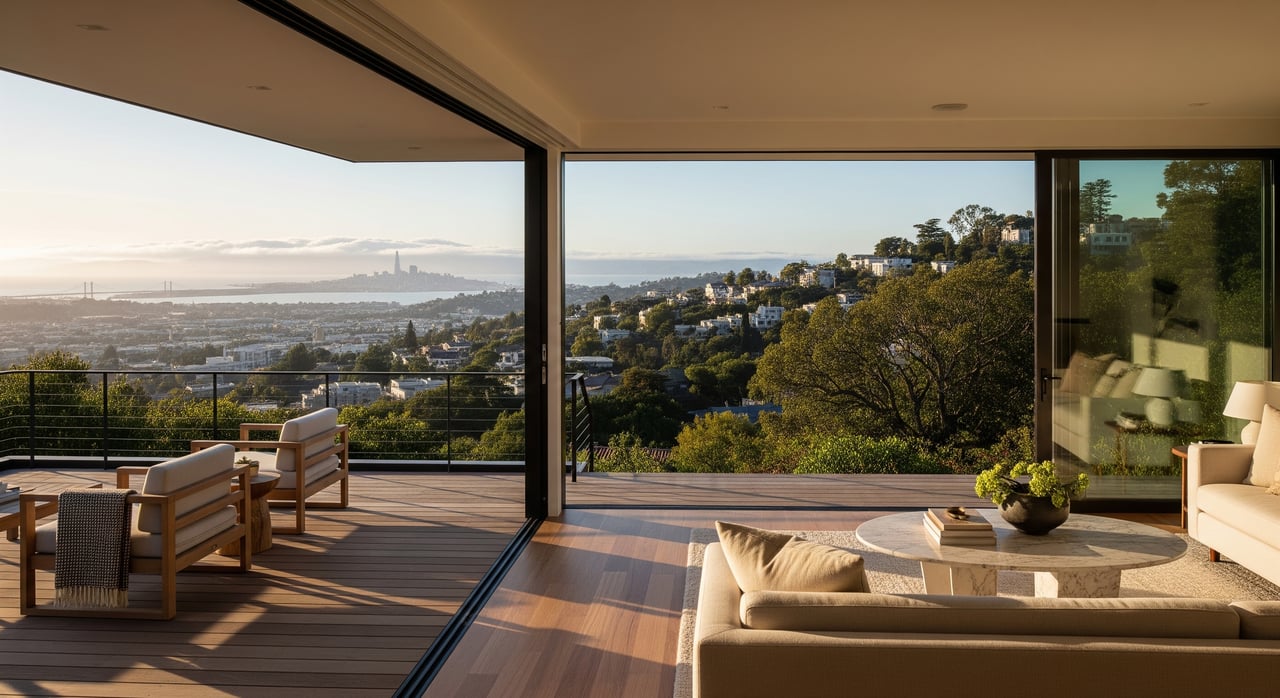
- Hills: Sweeping views of the Bay, San Francisco skyline, and bridges are common and a major lifestyle driver. Homes often feel more private due to terrain and lot size.
- Flats: Expect leafy streets, historic façades, and a more urban feel near the central corridors. Instead of skyline views, the reward is at street level with lively storefronts and public life.
Parks and recreation
- Hills: You are close to trail networks and open space like Tilden Regional Park and Claremont Canyon. If you enjoy hiking, dog walks on long trails, or weekend picnics with vistas, the hills make it easy.
- Flats: You will find neighborhood parks, playgrounds, and organized recreation near denser areas. Quick loops for exercise and easy access to sports fields or pools are part of the routine.
Homes and budgets
Typical homes by terrain
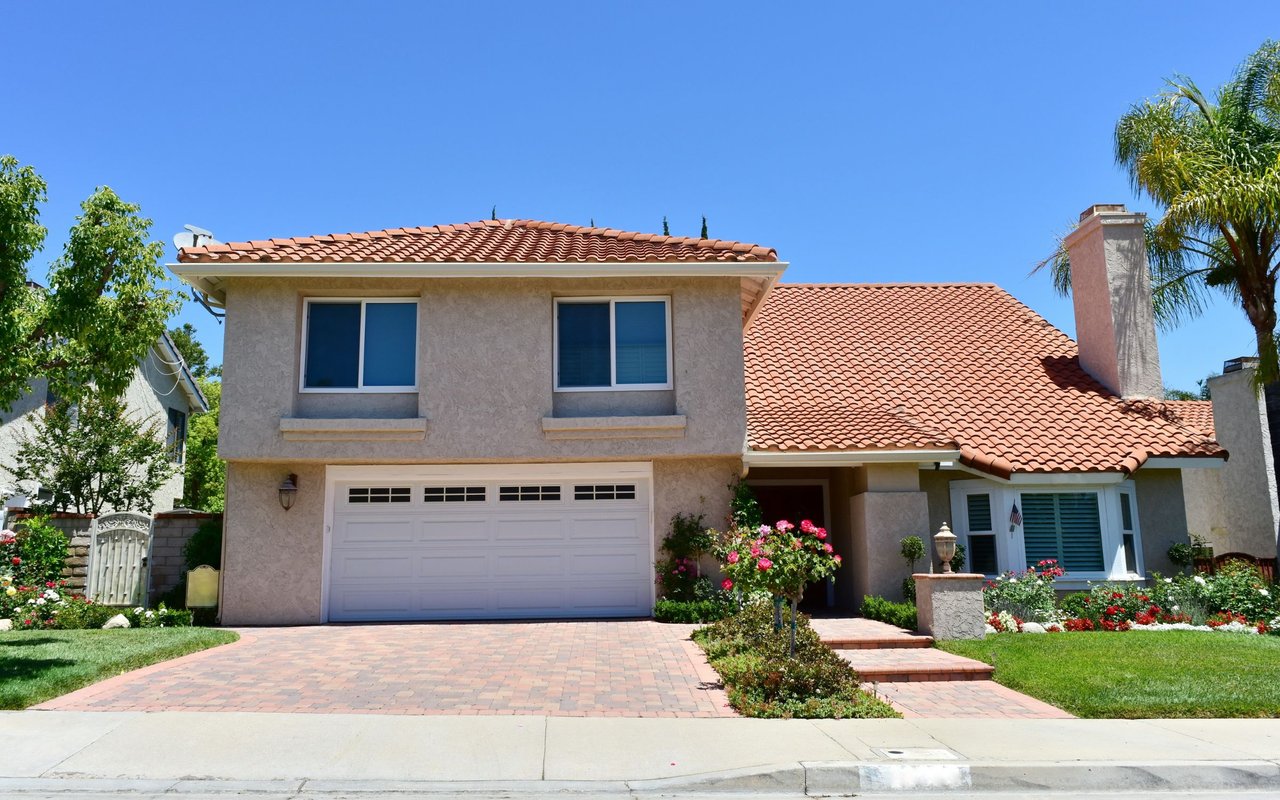
- Hills: Mostly single-family homes with styles ranging from Craftsman and Mediterranean to Midcentury and custom modern. Expect sloped lots, terraced gardens, and more garages or driveways, sometimes on steeper grades.
- Flats: A broader mix. You will see single-family homes and bungalows, duplexes and small multi-unit buildings, plus condos and newer apartments, especially in West and South Berkeley.
Pricing patterns to expect
- Hills: Single-family homes with views, privacy, and yard space often command a premium. Many buyers prioritize the outlook and sunlight.
- Flats: A wider range of property types means more choice at different price points, including condos and small multi-unit options. Exact numbers shift by block and market cycle.
What to do next: If price is a key driver, compare recent neighborhood sales before you lock in on a terrain. Market conditions and property type can outweigh elevation when it comes to value.
Schools and campus access
Public school considerations
Most of Berkeley is served by Berkeley Unified School District. Boundaries, enrollment rules, and program capacity can change. Performance varies by school and program, not simply by elevation. If public schools are a top priority, confirm current zones, lottery or magnet program details, and timelines before you decide.
UC Berkeley proximity
- Flats near campus: Southside, Downtown-adjacent blocks, and parts of North Berkeley are within walking distance of university buildings and services. These areas see more student housing and late-night food options.
- Hills: Many residents drive or bus to campus. If you prefer quieter residential streets while staying within a short drive to UC Berkeley, the hills can balance access with separation from student density.
Risks and practical tradeoffs
Wildfire and slope hazards
- Hills: Elevated wildfire risk and slope-related concerns come with the terrain. Retaining walls, drainage, and hillside grading are important inspection items, especially after heavy rains.
- Citywide seismic risk: All of Berkeley has earthquake exposure. Ask about structural retrofits, soft-story conditions in older buildings, and local building records.
Parking and street access
- Hills: Expect narrow, curving streets and the occasional cul-de-sac. Steep driveways and limited on-street parking can complicate everyday logistics, from visitor parking to snowballing deliveries on move-in day.
- Flats: Street parking is more common, but residential permit zones and time limits near retail corridors can shape your daily routine. If you plan to go car-light, check your block’s permit requirements and nearby loading zones.
Services and deliveries
- Hills: Moving trucks and service vans may need careful routing or smaller vehicles. Trash and recycling pickup schedules and access can vary by street.
- Flats: Easier truck access, but busier streets near commercial areas can mean timed or metered parking for quick errands.
Noise and nightlife
- Flats: Closer to café culture, music, and university events. You gain convenience and a lively street scene, with the possibility of more nighttime noise near student hubs.
- Hills: Quieter streets and greater privacy, with fewer evening destinations without a short drive.
Day-in-the-life snapshots
A day in the flats
You wake to cool morning air and walk a few blocks for coffee and a pastry. Groceries and the pharmacy sit along your route, so you pick up dinner ingredients on the way back. You hop on BART to meet friends in San Francisco, then ride home for a quick stroll to a neighborhood restaurant. The day is full of short, easy walks and quick transit.
A day in the hills
You start above the fog line with warm sun on the deck. After breakfast with Bay views, you take a trail run at a nearby ridge. For errands, you drive a few minutes to Solano or College Avenue, then head to a late afternoon gathering on your patio. You end the day with sunset colors over the water and a quiet, residential evening.
Decision checklist
Use this quick list to align your daily life with the right terrain:
- Walkability: Do you want regular errands on foot and short café hops, or are you comfortable driving more often?
- Transit: Will you use BART or buses most days, or is driving your norm?
- Microclimate: Do you prefer sunnier, warmer afternoons or cooler, fog-kissed mornings?
- Outdoor access: Are you a trail person or a parks-and-playfields person?
- Housing style: Do you want a larger yard and views, or a variety of options that may include condos or duplexes?
- Budget: Are you seeking a single-family view home or exploring a range of property types for value and flexibility?
- Logistics: How important are easy parking, flatter streets, and larger delivery access versus privacy and quiet?
- Campus proximity: Do you want to be close to UC Berkeley hubs or a bit removed from student nightlife?
Working with a local guide
Choosing between the hills and the flats is about finding your daily rhythm. A smart next step is to tour a few blocks in each area on the same day. Feel the grades under your feet, check your walk to coffee, try the bus up a hill, and note sun patterns in the afternoon. Small details will tell you where your routine feels natural.
If you want tailored guidance, neighborhood-by-neighborhood comparisons, and help weighing tradeoffs like hazards, parking permits, and property condition, reach out to Kara. With decades of Berkeley and East Bay experience, curated market data, and a calm, educator-style approach, you will get clear answers and a plan that fits your goals.
Ready to compare homes on real streets, not just on paper? Connect with Kara Thacker Homes to start your personalized tour and strategy.
FAQs
Do I need a car in the Berkeley flats vs hills?
- Flats support car-light living with closer retail and BART access, while most hill locations work best with at least one car for errands and transit connections.
How does weather differ between the hills and flats?
- The flats see more marine layer and cooler summer mornings; many hill areas sit above the fog with sunnier, warmer afternoons and drier summer conditions.
Are homes more expensive in the Berkeley Hills?
- Single-family homes in the hills often command a premium due to views, privacy, and yard space, while the flats offer a wider mix that can include more affordable property types.
What risks should I plan for in the hills?
- Elevated wildfire exposure and slope-related issues like drainage and retaining walls are key; across Berkeley, consider seismic retrofits and building age when evaluating any property.
How does living near UC Berkeley affect daily life?
- Flats near campus offer quick access to university services and a lively scene with more student housing, while the hills provide quieter streets within a short drive to campus.
Is parking easier in the flats than in the hills?
- The flats often have more on-street options but stricter permit and time-limit rules near retail; the hills may have steeper driveways, narrower streets, and more limited street parking.
What home styles are common in each area?
- Hills feature mostly single-family homes in Craftsman, Mediterranean, Midcentury, and custom designs; the flats add bungalows, duplexes, small multi-unit buildings, and condos.
Which area suits frequent San Francisco commutes?
- The flats usually make BART access simpler by foot or bike, while hill residents often add a short drive or bus ride to reach a station before heading to San Francisco.